The Playwriting Module – Reflections and Resources
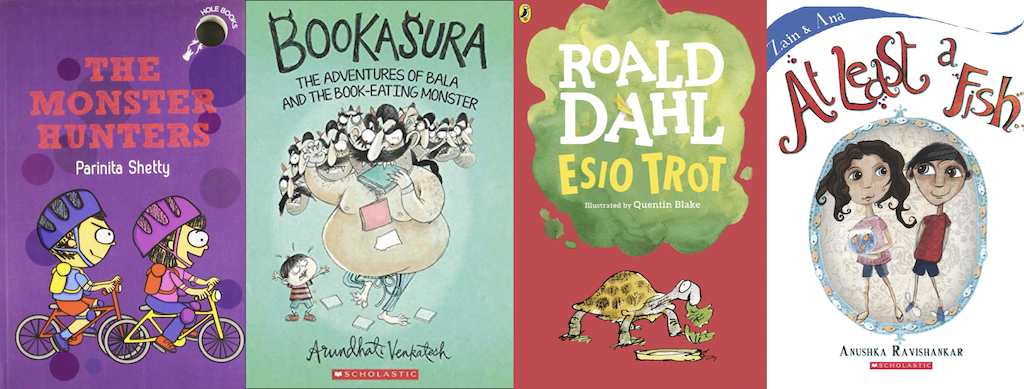
At Least a Fish
Creative Writing Workshops – Reflections and Resources
Esio Trot
Looking Back at Another Reading Programme
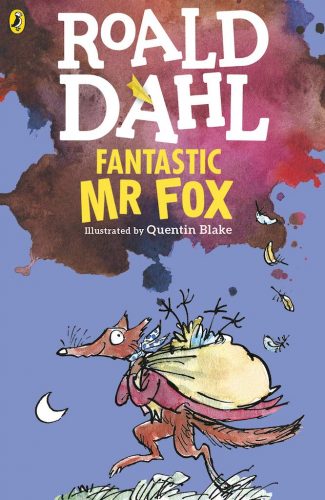
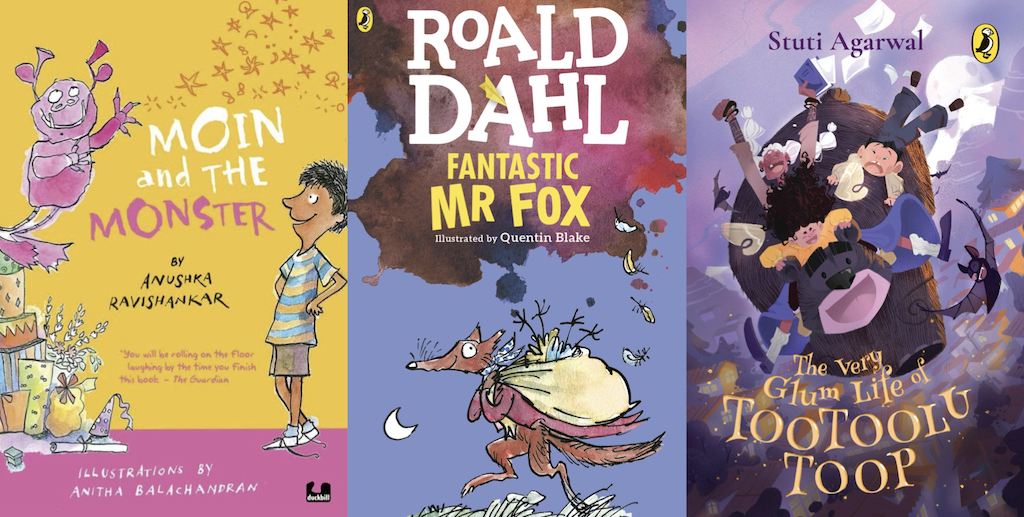
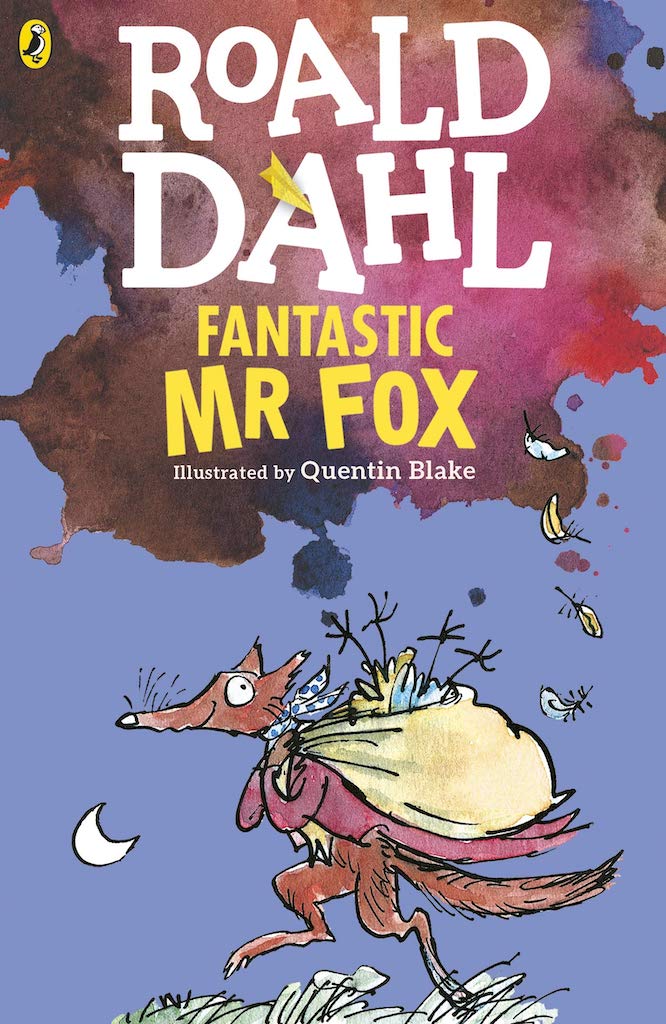
Fantastic Mr Fox
Workshops Launching in May and June 2021
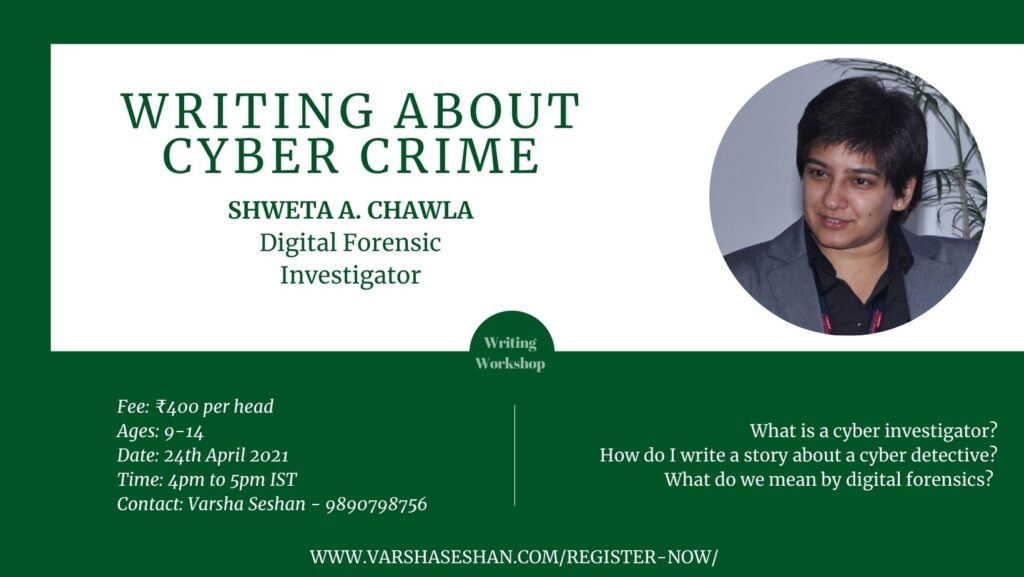
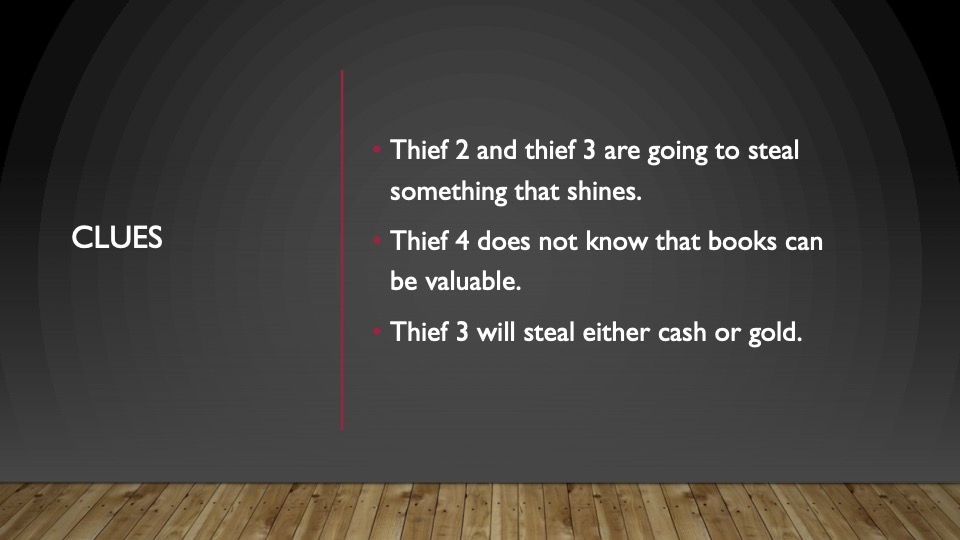
Writing about Cyber Crime
What a fun session we had with digital forensic investigator Shweta A. Chawla yesterday! The children had all kinds of questions, and all kinds of stories. Nearly every child had a story of a parent or relative receiving a call and asking for an OTP or bank details. It just shows you how close cyber crime is to us!
One child said, “We should keep changing our passwords, but it’s difficult to remember them. So I write them in an Excel sheet.” Before Shweta could respond, he said, “The Excel sheet is password protected.”
And I found myself thinking, Do I even know how to create a password-protected Excel sheet?
We spoke of how stories no longer need masked robbers going into banks with guns, and the fact that you are much more likely to encounter a hacker online than a smuggler. Sure, we love our Enid Blyton stories of smuggling and crime, but perhaps stories can reflect something much more accessible – a criminal working from home, just like the rest of us.
Finally, if we create a character who is a digital investigator, what would that investigator’s line of thought be? What questions does the investigator ask to start tracing the criminal?
Character motivations, procedures, forensics, passwords – we learned so much during the session!

This was just the first of three sessions planned for this writing programme. Mark your calendars for the next one, which will be on the last Saturday of May. Registrations will open shortly, but here’s a teaser – we’ll be talking about pirates during this one!
Books and Important Conversations
Writing about Cyber Crime
Workshops During a Pandemic

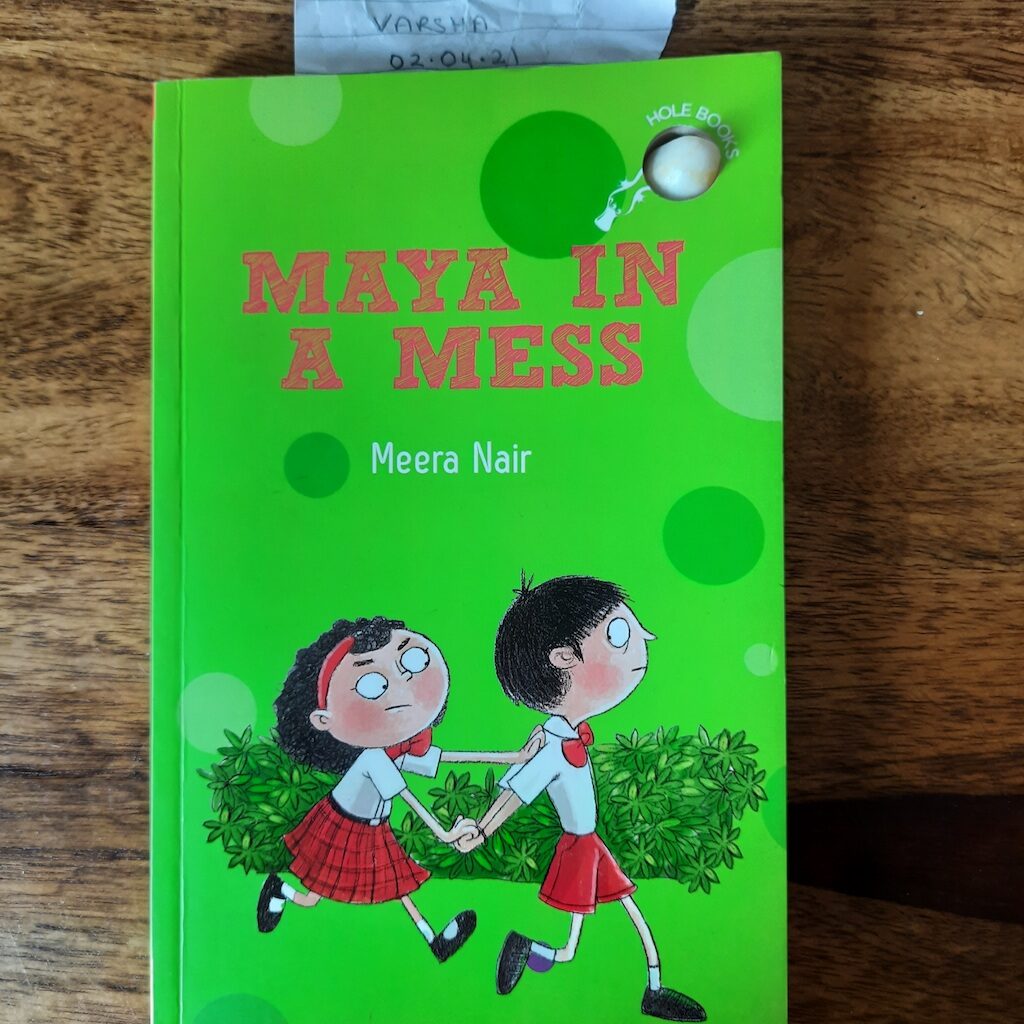
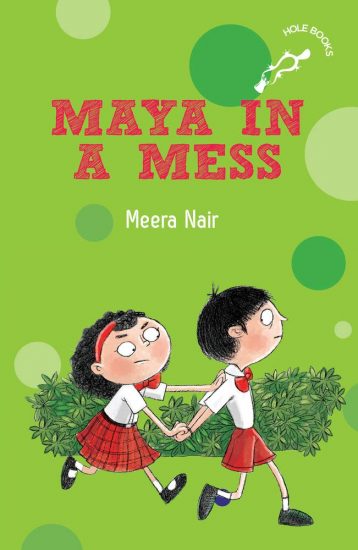
Last week, I started reading Maya in a Mess with my book club for seven and eight-year-olds. As part of the discussion, I asked them, “Have you ever been a monitor in class? How do you feel?”
“I feel like a king!” said one child.
“I love it,” said another. “You don’t have to just stand in line with the others. You can actually do things.”
“It feels good,” said a third. “You feel responsible.”
One avid reader in the batch isn’t seven yet, but she’s at par with the others. When it was her turn, she said, “I haven’t ever been a monitor.”
“Do you want to be a monitor?” I asked.
There was a minuscule pause.
“I don’t know. I’ve never been to proper school. When I was in kindergarten, we didn’t have monitors. Last year, it was all online. So I don’t know what it would be like to be a monitor.”
My heart broke just a tiny bit.
I’ve never been to proper school.
Sigh.
Book Uncle and Me
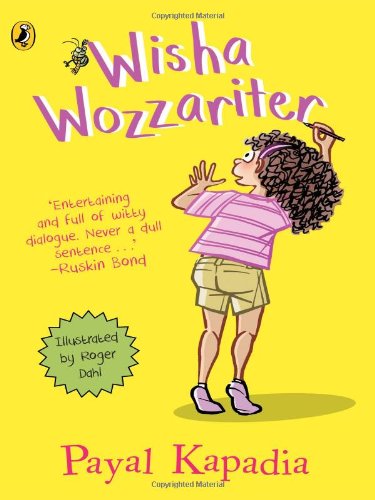
Wisha Wozzariter
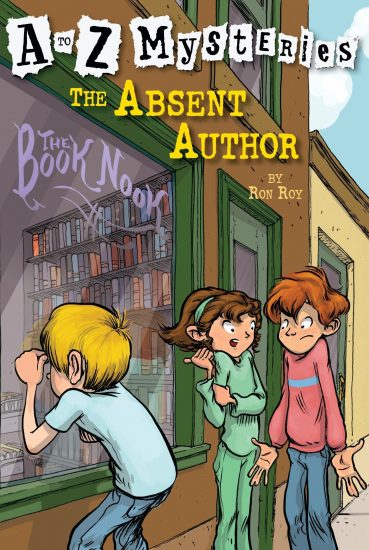
The Absent Author
Playing with Kangaroo Words
When I wrote about using Friends Behind Walls for my online reading programme, the first thing I thought of doing was playing with words. Putti loves breaking words up to make sense of them. Brouhaha = brew+haha, but has nothing to do with brewing tea or being funny.
Yesterday, we thought of words like this. We thought of ‘unfortunately’ and ‘perspective’, as we hunted for humorous ideas.
“Is ‘guin’ a word?” one child asked me. Of course he wanted to do something with what a penguin is not.
One idea led to another and we came to kangaroo words. I’m not good at coming up with these, but I love the idea! A kangaroo word is one that carries a synonym of itself in the word.

We discussed just a handful in class – masculine contains the word male, blossom contains the word bloom, chicken contains the word hen. “I know this is difficult,” I told the children, “but see if you can think of another kangaroo word for yourself!
All the while, I could think of not one word myself.
By the end of class, an eight-year-old piped up, “Miss, miss! I thought of one! Instructor! It contains the word tutor!”
Do you see why I love my reading programme so much?
I did read up about kangaroo words before I conducted this session. If you’d like to discover more words, here are two sites I visited:
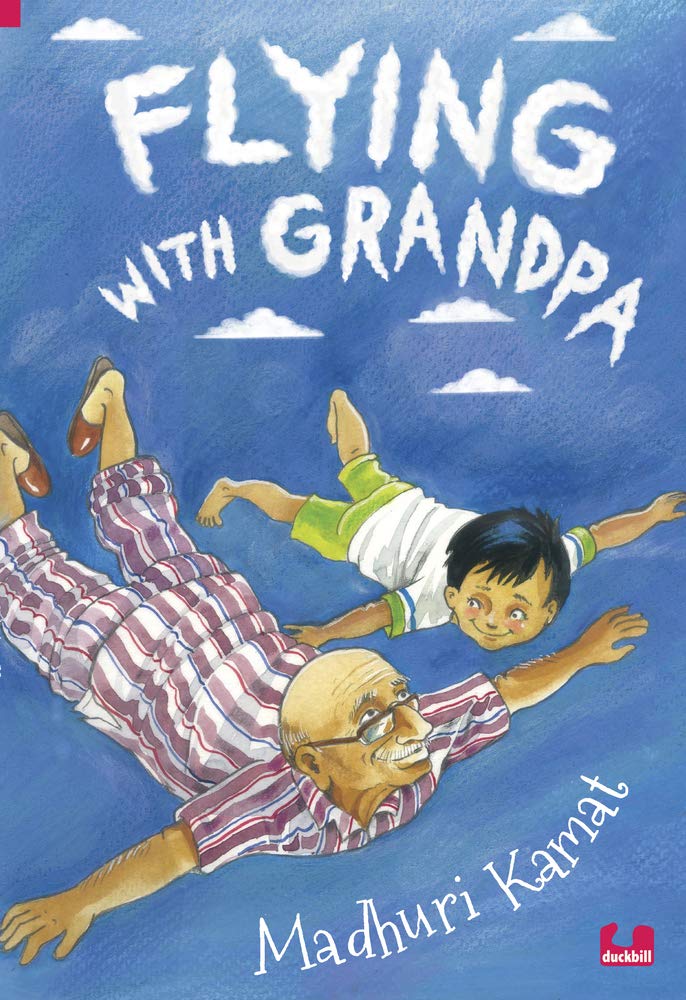
Flying with Grandpa
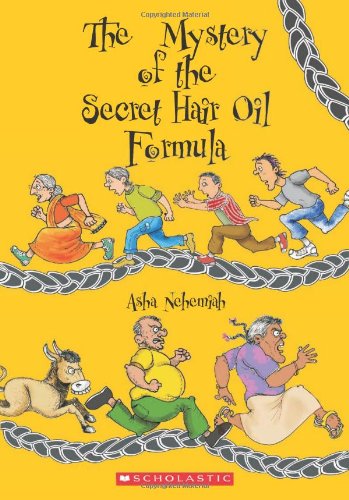
The Mystery of the Secret Hair Oil Formula
Maya in a Mess
Past the Halfway Mark
Workshops Launching in April 2021
Online Reading Programme – Looking Back
Amelia Bedelia Means Business
Amelia Bedelia. The name just asks you to read it aloud. And what a character Amelia is! As with the very best fictional characters (I’m thinking of Anne Shirley, Pippi Longstocking and the like), Amelia’s personality leaps out of the pages. She makes you chuckle at her sheer optimism, at her zest and her drive. Obstacles? What are those?
Amelia sees Suzanne’s new bike and knows she has to get one for herself. But her parents are unwilling to give her an advance Christmas-cum-birthday present. What they are willing to do, however, is meet her halfway. If she can find a way to pay half the price, they’ll pay the other half. Amelia and her father shake hands, and they have a deal.
The problem, though, is Amelia’s tendency to take things literally. Idioms are puzzling. Ways of speaking make no sense. So, when she’s working at a restaurant and a customer asks her for ‘a pie – and step on it’, what do you think she does?
I know that Amelia Bedelia Means Business is probably a little advanced for some children in this age group, but it’s so much fun that I’m sure we’ll enjoy it anyway! Here’s what I will do with it at my reading programme.

Idioms
I’ve done workshops on idioms before, but I now know that Amelia Bedelia Means Business is the perfect book to use even in the future to play with idioms. What do we mean by the following?
- I’ll meet you halfway.
- A lemon
- A pink slip
- A piece of cake
- Easy as pie
I’m sure discussing these will lead to hilarious exchanges!
Business Ideas
Children always have wonderful business ideas. How can they earn money? What would they do with money that they earn? Do they have a piggy bank? I think we can have so many intriguing conversations about money making!
Discussion
What do we do when we make a mistake? How frightening is failure? Amelia is one resilient character. She makes mistake after mistake and bounces back each time. A book like this creates a safe space for children to talk about their failures and mistakes, and what they did to move on.
Join my online reading programme
Registrations are now closed for this reading programme. Find out about the next one here.
If you would like to receive email notifications when I launch new batches, please fill this form. Alternatively, follow me on social media – Facebook, Instagram and Twitter – for regular updates.
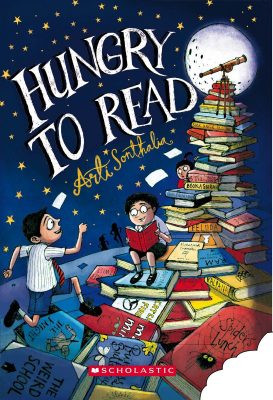
Hungry to Read
If there was one thing that could push you to read, what would that be? How would you get someone who doesn’t like reading to read?
When Arjun’s teacher announces a competition in school, Arjun is thrilled – until he learns that it is a reading competition. He is no reader; he likes logic, facts and all things mathematical. The problem is that the prize is so attractive that Arjun is tempted. The question, though, is how far he is willing to go to help his class to win.
The reasons I chose Hungry to Read for my reading programme are very different from the reasons I chose every other book. More than having enjoyed the book, I love the possibilities it has when it comes to activities and conversations. Here is some of what I will do with the book.

Scavenger hunt
I love book scavenger hunts! We’ll do a quick one with this book, simply to start a conversation on the different kinds of books we read.
Book discussion
Some conversations need to happen time and time again if ever we want to move away from ideas of ‘girlie’ and ‘bad English’. Why does Arjun find a book about a princess too girlie? Why does Sheen get angry with Rio’s lack of fluency?
Language shaming is something I’ve written about in the past, and it finds its worst form when it comes to a language like English. Language shaming leaves deep impressions on children, and this is something I want children to think about. Gender stereotyping is something I have trouble with in books too, and I want conversations to happen around what constitutes ‘girlie’ and what is ‘boyish’. How much will seven- and eight-year-olds contribute to a conversation like this? I can only begin the conversation and find out!
How to pick a book
A book about a Read Drive is a wonderful way to introduce children to how to choose books. During the reading challenges at the British Library, I often found children picking the thinnest possible books so that they could easily get done with their quota of six books in six weeks. Other children, seeking to impress their teachers, chose the thickest book, paying no attention to whether it seemed interesting to them.
How do we choose a book? How can we pick something suited to our age, understanding and interest? I will use Hungry to Read to talk about it!
Join my online reading programme
Registrations are now closed for this reading programme. If you would like to receive email notifications when I launch new batches, please fill this form. Alternatively, follow me on social media – Facebook, Instagram and Twitter – for regular updates.
Lucky Girl
Lucky Girl is a hilarious book. It’s imaginative, wacky and full of surprises. Sumi is a lucky girl. With her pink bed, a window that overlooks the sea, soft toys and a chef for a mother, she must be a lucky girl, right?
Wrong.
As I chuckled my way through this hOle book written by Shabnam Minwalla and illustrated by Tanvi Bhat, I knew I had to work with it at my reading programme! Here are a few things I plan to do with the book.

Funny recipes
Pammi Gupta makes pumpkin peel muffins and furry leaf parathas for Sumi. Yuck! What kinds of things would you put together to make an imaginative meal? Would you eat the things you can see on the cover of the book? Once you know what the ingredients are, would you still eat them?
Poetry
Sumi takes part in a poetry writing competition organised by Fab Foods. Her friend Priya wants to write one kind of poem while she wants to write another kind. Can you write a short poem about some food that you like?
What’s in a name?
Depending on what recipe book Pammi Gupta is writing, she calls her daughter Sumangali something else.
Baby Dim Sum. Sumacaroni. Sushi.
I’m waiting for the children to play with their own names and come up with new and funny name extensions!
Join my online reading programme
Registrations are now closed for this reading programme. If you would like to receive email notifications when I launch new batches, please fill this form. Alternatively, follow me on social media – Facebook, Instagram and Twitter – for regular updates.
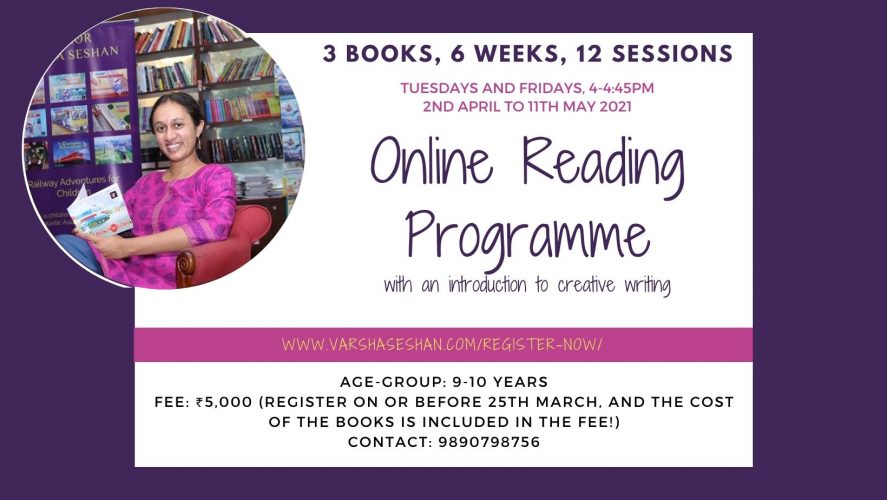
Online Reading Programme – Second Edition!
My Year in Workshops – 2020
Creating Memorable Characters with Sophie
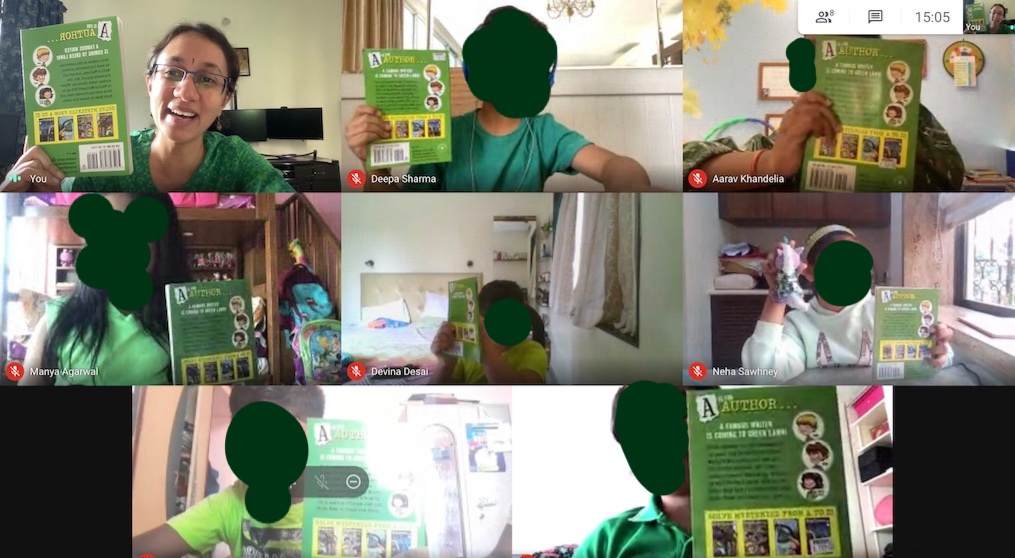
And just like that, the third and last guest session for the current batches of my online writing programme is over. It doesn’t feel like very long ago that I announced the programme, wondering whether there would be enough participants. I did not promise guest sessions because I knew it would depend on the response I received. It needed to be feasible to invite guest speakers, both in terms of the number of participants and in terms of my ability to pay the speakers. But here we go, two batches for two age groups are nearly over!
Sophie’s writing workshop was my third guest session, and it was lovely. Sessions where I learn something about methodology are always extra special. For instance, Sophie worked with excerpts from the classics, something I’ve never imagined doing. She chose tiny sections from Persuasion, The Tenant of Wildfell Hall, The Lord of the Rings and Boy, amongst others, and she invited the participants to pay attention to the technique employed before putting it into practice themselves.
Importantly for me, she worked with representation and the problem with stereotypes. Whose voice gets heard in stories? How often do we write about someone from a different faith? Are disabled characters represented in literature? Are we guilty of using stereotypes when we describe our characters?

Especially with so many children consistently writing about white characters in Europe and America, I loved that she led a discussion about stories set in contexts that we know and the importance of researching contexts we don’t.
I’m already excited about the next batches of my creative writing programme, scheduled to launch in April! A few quick links:
- Find out more about the programme, the fee structure and the outline.
- Receive email notifications about upcoming reading and writing workshops.
- Read about the first guest session with Nalini Sorensen.
- Read about the second guest session with Dr. Sreeja Nag.
- Read excerpts of what participants have to say about the writing programme – reflection one and reflection two.
Workshop Anecdotes
So many little things happen during workshops! That’s what makes them so much fun.
For instance, my reading programme began on Tuesday and I started with Asha Nehemiah’s Trouble with Magic. We spoke about all the wonderful things we’d invent because, in some ways, science and magic are pretty much the same thing.
One child would invent a door. You step through the door and get to whatever place you want to go. You just have to tell the door where you’d like to be.
“And what trouble could you have with magic of this sort?” I asked.
The boy thought for a bit. “If you don’t speak clearly,” he said, very clearly. “You could end up in the wrong place.”
Another child invented this – a vacation machine! Do notice how machine is spelt. Also, I love that the key words are there. No more and no less!

At my writing programme yesterday, I had more fun. The children here are older and I wanted to start a conversation about how we choose names for our characters. I asked them to come up with a nickname for each of the others – including me, if they wanted. I’ve done this activity before and many children are often shy about giving me a nickname. But yesterday was all kinds of delightful.
One girl named me ‘Funsha’. She wanted to use my real name as the root and couple it with a characteristic she associates with me. Isn’t that just lovely?
There’s another girl called Vrinda in the batch, whom she renamed ‘Vrintresting’ because, well, she’s very interesting.
Another girl named me Mia.
After a horse.
She reddened as soon as she realised how that sounds, but quickly explained, “I go horse riding and I love that horse! She’s friendly, calm, patient and just … she reminds me of you!”
I’ve never been named after a horse before, and I certainly never expected to feel so delighted about it!
Creating Memorable Characters
Both batches of my online creative writing programme began in October. Two months out of three have flown by, and I can’t quite believe that I’ve had eight sessions with each batch. We’ve had two wonderful guest sessions too – one with author Nalini Sorensen and one with Dr. Sreeja Nag. It’s time to announce my third and last guest session for this batch, with a multicultural writer-friend, Sophie Gaden.
About the Facilitator
Sophie is a French-Brazilian writer, teacher, and translator. She spent her childhood in Brazil, but at the age of 12, she moved to India where she lived for eight years. As if three countries with three different cultures weren’t enough, she took another step across the world and graduated in English Literature and Creative Writing from Lancaster University. She is now based in London, writing poetry, translating, and teaching English at a secondary school. She is also a poetry translator at the Atelier do Centro in Sao Paulo.
Creating Memorable Characters

What are characters, really? Mysterious beings, figments of our imagination.
How do writers create characters? Why are some characters so memorable? What makes them unique?
Sophie will also be dealing with representation, addressing the need to be more inclusive in our stories. We’ll discuss ideas and explore techniques and activities that will help us imagine and create characters that stay with us long after we close the book.
Details
| Fee | ₹400 per head (UPI: seshanvarsha@okhdfcbank or bank transfer – please contact me for my bank details; my number is in the poster) |
| Age-group | 9-13 |
| Date | 19th December 2020 |
| Time | 4 pm to 5 pm IST |
How to register
This is a free event for all those who have registered for my online creative writing programme. Non participants may join this standalone workshop on payment of the registration fee of ₹400.
This workshop was held on the 19th of December. To be intimated about forthcoming workshops programmes in advance, please fill this form or follow me on social media – Facebook, Instagram and Twitter.
Science Stories with Sreeja
What a whirlwind weekend I’ve had! With the Scholastic Writing Awards ceremony, a guest session at my online creative writing programme, and a weekend workshop for the ten winners of the Scholastic Writing Awards, the weekend has flown by in the best possible way!

As with every guest session, yesterday was special. I’ve invited Sreeja before and I know how exciting conversations with her can be for a group of curious young writers. She’s exciting, warm and generous with her interactions, never dismissing a question or an idea out of hand. For instance, there was a moment yesterday when a child asked her, “Could there be mermaids on some other planet?”
Sreeja paused and then responded, “Why not?”
Sreeja is a scientist at NASA and also leads a team at a start-up that is building and deploying what could be the first self-driving robotic fleet on public roads. She has a PhD in Space Systems Engineering from the Massachusetts Institute of Technology, Cambridge and studies space systems, space robotics for Earth observation, space traffic management, and vehicular robotics validation. That’s about as exciting as it gets for children interested in space stories.
Watching her interact with the creative writing students yesterday was wonderful. I enjoyed her session as much as – if not more than – the children.
As always, I was also struck by all the questions she was asked. Here are a few:
- Does NASA hire artists?
- How do astronauts sleep in space?
- How do they train to sleep in space?
- Don’t astronauts get bored of their jobs?
- Do you think a planet with huge oceans could have enormous creatures?
- Do astronauts ever argue when they’re on space missions?
- How do you get network at the International Space Station?
Guest sessions bring magic to the programme, and a NASA scientist? That’s all kinds of special.